Understanding the Root Causes of Food Aggression
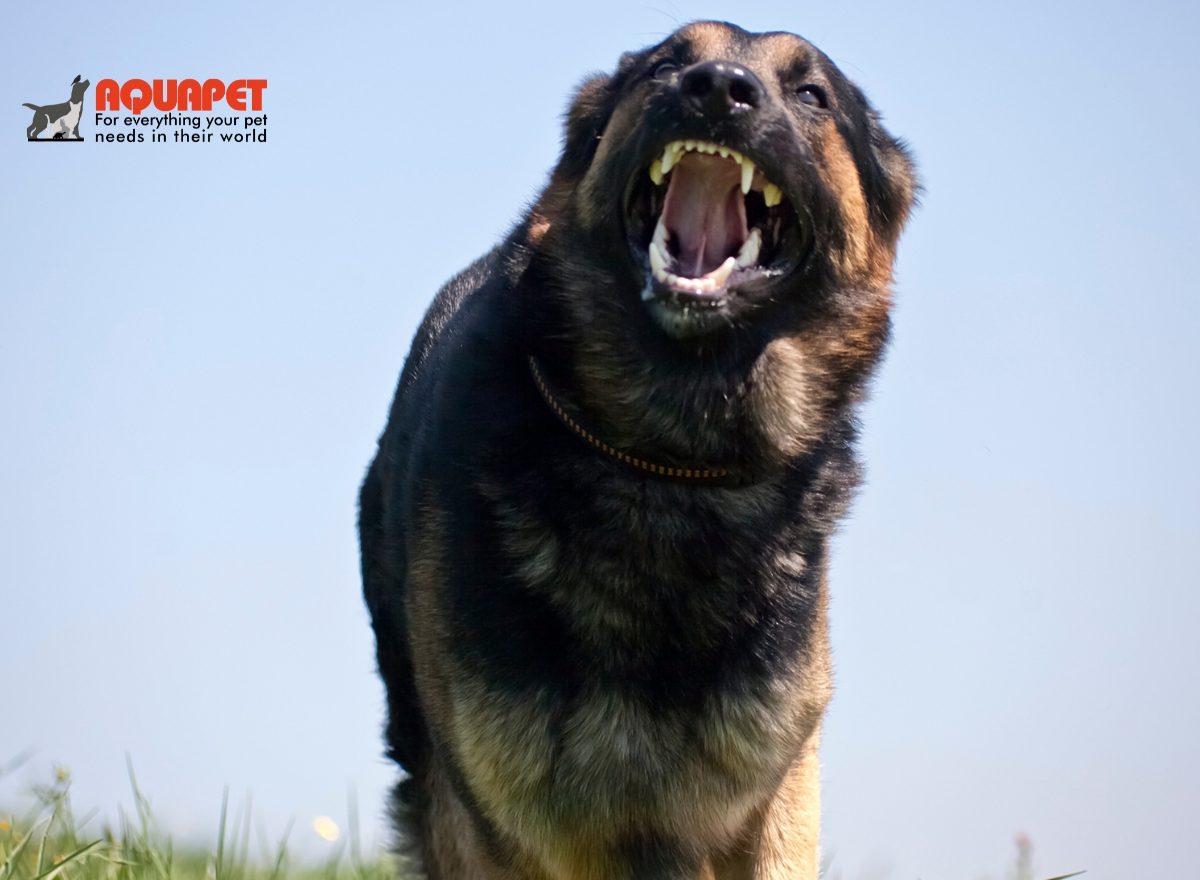
Food aggression stems from a dog’s natural survival instinct to protect valuable resources. Veterinary behaviorists identify three primary causes:
- Evolutionary Instinct: Descended from wolves who competed for limited food
- Past Trauma: Rescue dogs with food scarcity histories
- Learned Behavior: Reinforced by accidental rewarding of aggressive displays
According to a Tufts University study, approximately 15-20% of pet dogs exhibit some degree of food-related aggression, with multi-dog households showing higher incidence rates.
Recognizing Aggression Levels
| Level | Behaviors | Risk Factor |
| Mild | Growling, stiff posture | Low |
| Moderate | Lunging, snapping | Medium |
| Severe | Biting, attacking | High |
Safety Note: Always consult a professional for Level 3 cases. For mild cases, consider using separate feeding stations as an immediate solution.
Comprehensive Step-by-Step Training Protocol
Phase 1: Environmental Management (Weeks 1-2)
- Create Physical Separation
- Feed in different rooms
- Use individual crates
- Install baby gates between feeding areas
- Establish Clear Feeding Rituals
- Fixed schedule (same times daily)
- Use distinct bowl placement cues
- Implement a calm pre-meal routine
- Specialized Feeding Equipment
- Slow-feed bowls to extend meal duration
- Puzzle feeders for mental stimulation
- Weighted bowls that can’t be dragged
Phase 2: Behavioral Conditioning (Weeks 3-6)
Desensitization Exercises:
- The Visibility Protocol
- Start with dogs 20 feet apart during meals
- Gradually decrease distance by 1 foot per session
- Reward calm behavior with high-value treats
- The Hand-Feeding Method
- Replace 25% of meals with hand-feeding
- Teaches gentle taking of food
- Builds positive human association
- The “Trade-Up” System
- When guarding occurs, offer a better reward
- Use a cheerful “Thank you!” cue
- Phase out treats over time
Training Progress Tracker:
| Week | Distance | Duration | Success Rate |
| 1 | 15 feet | 5 minutes | 60% |
| 2 | 10 feet | 10 minutes | 75% |
| 3 | 5 feet | 15 minutes | 85% |
Phase 3: Advanced Socialization (Weeks 7+)
- Controlled Group Feeding
- Use leashes and training collars
- One handler per dog
- Gradually increase proximity
- Food Dispersion Games
- Scatter dry kibble over large area
- Use interactive toys
- Promotes non-competitive eating
- Command Integration
- “Leave it” for approaching others’ food
- “Wait” before accessing bowls
- “All done” to signal meal completion
Special Considerations
For Multi-Dog Households
- Feed lowest-ranking dog first
- Use visual barriers initially
- Rotate feeding locations daily
For Severe Cases
- Consult a certified behaviorist
- Consider calming supplements
- Medication may be needed temporarily
Prevention Strategies for Puppies
- Early Handling Exercises
- Frequently touch food while eating
- Practice bowl removal/replacement
- Hand-feed occasionally
- Social Feeding
- Feed near calm adult dogs
- Use portion-controlled bowls
- Reward calm behavior
FAQs
How long does it take to fix food aggression?
Most cases show improvement in 4-8 weeks with consistent training. Severe cases may require 3-6 months of behavior modification.
Should I punish my dog for growling?
Never punish warning signs. Instead, identify triggers and work on desensitization. Growling is valuable communication.
Can food aggression be completely cured?
While many dogs achieve significant improvement, some may always need management strategies. The goal is to create safe mealtime routines.
Essential Training Products
- Heavy-duty stainless bowls
- Long-lasting chews for redirection
- Training clickers for precise marking
For persistent cases, explore Aquapet’s professional training tools or consult a certified behaviorist.